
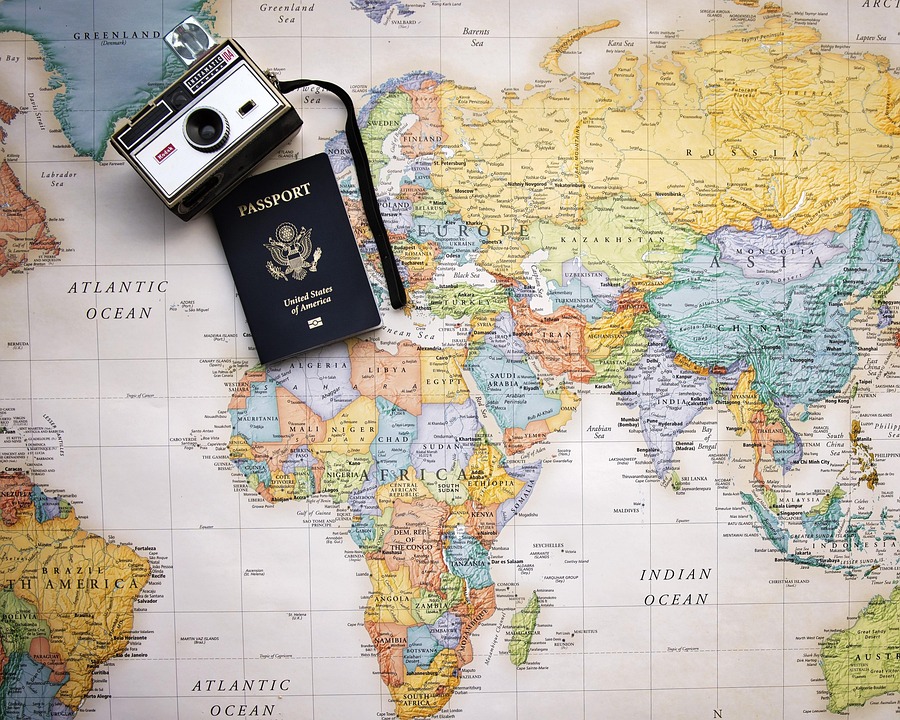
In a world where countless destinations await exploration, the excitement of travel brings endless possibilities. Whether it’s the serene landscapes of New Zealand, the bustling markets of Marrakech, or the pristine beaches of Bali, curating your dream travel itinerary is essential to making the most of your adventures. This article will guide you through the steps to create an itinerary that aligns with your interests, preferences, and, of course, your wanderlust.
1. Define Your Travel Goals
Before diving into the specifics of your itinerary, start by defining your travel goals. Consider the following questions:
- What are the main attractions you wish to see?
- Are you looking for relaxation, adventure, or cultural immersion?
- What’s your budget for this trip?
- How long do you plan to travel?
The answers to these questions will provide a solid foundation for your itinerary, helping you tailor your experience to what you truly seek.
2. Research Destinations
With your travel goals defined, the next step is to research potential destinations. Use resources like travel blogs, Instagram, and travel forums to gather insights about where to go. Focus on:
- Local attractions and landmarks
- Unique cultural experiences
- Gastronomic highlights
- Seasonal conditions and climate
Creating a list of must-visit places can help streamline your planning process.
3. Create a Flexible Itinerary
Once you have a selection of destinations, it’s time to create an itinerary. Start with a rough outline that includes:
- Travel dates
- Accommodations
- Activities and excursions
- Transportation methods
Remember to stay flexible. Sometimes the best experiences are spontaneous, so allow room for spontaneity in your itinerary.
4. Set a Budget
Traveling can quickly become expensive if not managed properly. Create a realistic budget that includes:
- Transportation costs (flights, trains, car rentals)
- Accommodation expenses
- Daily spending (meals, activities, souvenirs)
- Emergency funds
Always try to plan for unexpected costs to avoid financial stress during your travels.
5. Plan Your Accommodations
Your choice of accommodation can significantly enhance your travel experience. Consider:
- Location: Proximity to attractions or public transport
- Type: Hotels, hostels, vacation rentals, or campsites?
- Reviews: Look for recent ratings on platforms like TripAdvisor or Booking.com
Booking ahead often provides better rates and guarantees availability, especially during peak seasons.
6. Activities and Experiences
Choose activities that resonate with your interests. Some popular options include:
- Guided tours to learn from locals
- Outdoor adventures like hiking or diving
- Cultural experiences such as cooking classes or art workshops
Don’t forget to incorporate downtime for relaxation; balancing activities with leisure is key to an enjoyable trip.
7. Packing Wisely
Your packing list should reflect your itinerary and the regions you’ll visit. Consider factors such as:
- Weather and climate of your destination
- Local dress codes and cultural norms
- Activities planned (hiking gear vs. evening attire)
Pack light but ensure you have essentials. Good packing can save you from heavy luggage fees and make traveling between destinations easier.
8. Stay Organized
As your travel date approaches, organize all your reservation details and documents. Use tools such as:
- Phone apps for itinerary management
- Spreadsheets to track costs and schedules
- Physical or digital copies of important documents
A well-organized plan helps reduce stress and ensures a smoother travel experience.
Conclusion
Curating your dream travel itinerary is an exciting endeavor filled with possibilities. By defining your goals, conducting thorough research, and remaining flexible, you can create a memorable adventure that aligns with your wanderlust. Remember that the journey is as important as the destination, so embrace the unexpected and enjoy every moment of your travels.
FAQs
1. How much time should I allocate for each activity?
Allocate time based on your interests and the complexity of the activity. Usually, half a day to a full day for major attractions is ideal, with some downtime in between.
2. Is it necessary to book accommodations in advance?
While it’s not mandatory, booking in advance can secure better rates and ensure availability, particularly during peak seasons or major events.
3. How do I stay within my travel budget?
Track your expenses daily, prioritize free or low-cost activities, and consider dining at local eateries instead of tourist spots to maintain your budget.
4. What if something goes wrong during my trip?
Always have a backup plan. Keep important contacts handy, have travel insurance, and remain calm; adapt to changes as they come.
5. Can I use mobile apps to help during my travels?
Absolutely! Many mobile apps facilitate itinerary management, navigation, restaurant bookings, and more, enhancing your travel experience.