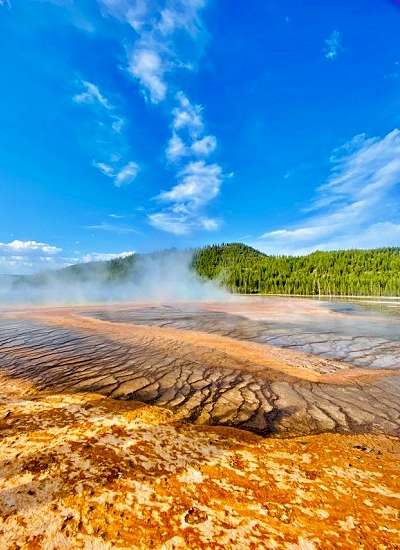

Eco-tourism is an emerging trend in the travel industry that aims to promote conservation and sustainable practices while providing travelers with unique experiences. As the world grapples with environmental challenges, eco-tourism stands out as a conscious way to explore our planet while being mindful of its delicate ecosystems.
What Is Eco-Tourism?
Eco-tourism is defined as responsible travel to natural areas that conserves the environment, promotes the well-being of local communities, and involves interpretation and education. Unlike traditional tourism that may prioritize profit over preservation, eco-tourism emphasizes sustainability, allowing travelers to enjoy nature while contributing to its protection. This form of travel often includes wildlife observation, cultural exchanges, and community-based ventures, ensuring that the benefits of tourism are shared with the hosts.
The Benefits of Eco-Tourism
1. Conservation of Natural Resources
One of the primary goals of eco-tourism is the conservation of biodiversity and natural habitats. Eco-tourism often benefits areas that are otherwise at risk of exploitation. By generating income from sustainable travel, local communities are incentivized to protect their natural resources rather than deplete them for short-term gains.
2. Economic Benefits for Local Communities
Eco-tourism creates job opportunities and stimulates local economies. When tourists visit natural reserves or cultural sites, local communities can sell handicrafts, provide guided tours, and offer lodging and food services. The revenue generated from eco-tourism can help fund schools, healthcare, and infrastructure improvements, ultimately enhancing the quality of life for residents.
3. Educational Opportunities
Eco-tourism fosters a deeper understanding of environmental issues and cultural appreciation. Travelers engage in educational activities that promote awareness about ecosystems, wildlife conservation, and sustainable practices. Guides often share traditional knowledge, cultural values, and the importance of preserving natural resources, leading to a more respectful and informed travel experience.
4. Promotion of Sustainable Practices
Eco-tourism promotes sustainability at multiple levels—from minimizing waste to using renewable energy sources. Eco-friendly accommodations often implement practices such as recycling, composting, and using locally sourced materials. This not only reduces the carbon footprint of tourism but also sets an example for tourists to adopt similar practices in their everyday lives.
5. Preservation of Cultural Heritage
In many destinations, eco-tourism leads to the protection and revitalization of cultural heritage. Tourists often seek authentic experiences; thus, local traditions, languages, and customs are preserved as they become valuable attractions. This can counteract the negative effects of globalization, where local cultures might otherwise dilute in favor of a homogenized experience.
Challenges of Eco-Tourism
While eco-tourism has many benefits, it is not without its challenges. An influx of tourists can lead to environmental degradation if not managed responsibly. Overcrowding can result in habitat destruction, pollution, and strain on local resources. Therefore, proper planning, regulation, and community involvement are essential to ensure that eco-tourism achieves its sustainability goals.
How to Travel Responsibly
As eco-tourists, we can all take steps to minimize our impact and contribute to sustainable practices:
- Choose eco-friendly accommodations and tour operators.
- Practice the “Leave No Trace” principle by cleaning up after yourself.
- Respect local wildlife by observing from a distance.
- Support local economies by purchasing handmade crafts or eating local cuisine.
- Educate yourself about the areas you visit and their environmental challenges.
Conclusion
Eco-tourism provides a pathway for positive change in the travel industry, enabling us to explore the beauty of our planet while being responsible stewards of its resources. By participating in eco-tourism, we support conservation efforts, uplift local communities, and promote cultural heritage—all while enjoying enriching travel experiences. As more travelers embrace this conscientious approach to exploration, we can collectively contribute to a more sustainable and harmonious relationship with the earth.
FAQs
What is the difference between eco-tourism and sustainable tourism?
While both terms relate to responsible travel, eco-tourism specifically focuses on natural environments and conservation efforts. Sustainable tourism encompasses a broader range of practices, including socially responsible considerations beyond just ecological elements.
How can I find eco-friendly travel options?
Research tour companies and accommodations that are certified by recognized eco-tourism organizations. Websites, eco-conscious travel blogs, and social media groups can also provide valuable information and recommendations.
Is eco-tourism suitable for all types of travelers?
Yes, eco-tourism can cater to various interests and budgets, offering experiences ranging from luxury eco-lodges to budget-friendly camping trips. There is something for every type of traveler interested in having a positive impact on the places they visit.
Can eco-tourism help in fighting climate change?
Yes, by promoting sustainable practices, preserving natural habitats, and supporting local economies, eco-tourism contributes to mitigating the effects of climate change. It encourages conservation efforts that combat biodiversity loss and protect vulnerable ecosystems.