Backpacking can be one of the most rewarding outdoor experiences, offering both adventure and an opportunity to connect with nature. However, for first-time backpackers, the idea of packing your life into a backpack and hitting the trails can be daunting. With the right preparations, you can ensure that your first backpacking trip is enjoyable rather than overwhelming. This article provides essential tips to help you pack smart and hike far.
Understanding Your Essentials
Before you even think about loading up your backpack, it’s important to understand what items are essential for your first backpacking trip. Here’s a basic list:
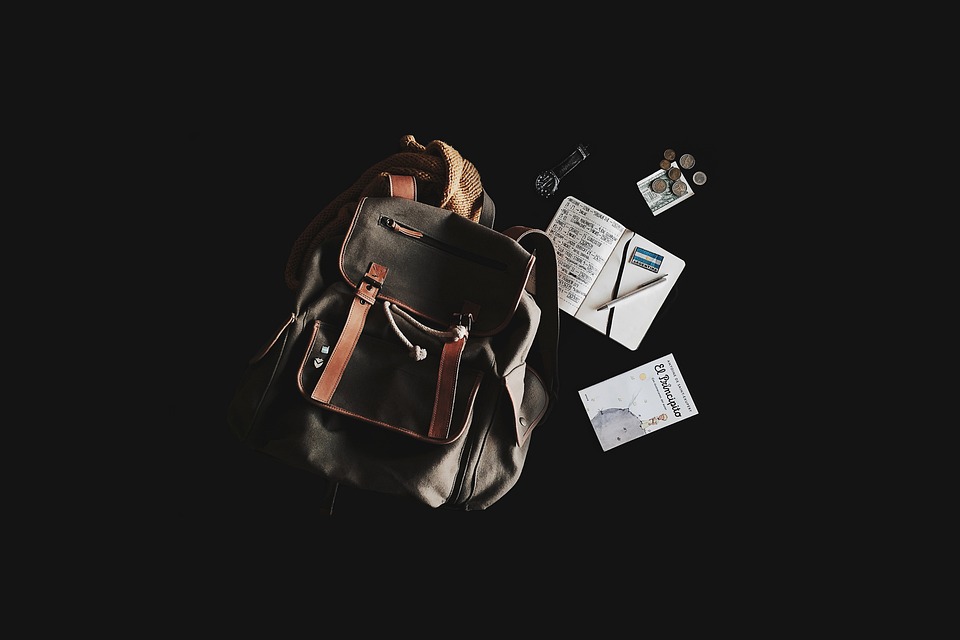
- Backpack: Choose one that fits properly, usually between 40-70 liters in capacity.
- Sleeping Gear: A lightweight tent or hammock, sleeping bag rated for the temperature, and sleeping pad for comfort.
- Clothing: Layer your clothing to adapt to varying temperatures: moisture-wicking base layer, insulating middle layer, and waterproof outer layer.
- Cooking Gear: A compact stove, fuel, cooking pot, and utensils for food preparation.
- Food and Water: Lightweight, high-calorie food items and a means to purify water.
- Navigation Tools: A map, compass, or GPS to find your way.
- First Aid Kit: Essentials for treating minor injuries.
Packing Techniques
Once you know what to take with you, the next step is packing it smartly.
1. Weight Distribution
Keep heavier items close to your back and higher in your pack. This helps with balance and makes carrying your load easier.
2. Organization
Use smaller bags or pouches for organization. Group your items by category (cooking, clothing, first aid) to find things quickly.
3. Packing Order
The order in which you pack is crucial. Place items you won’t need until you camp at the bottom (like your sleeping bag), and items for daily access (like snacks or rain gear) at the top.
Physical Preparation
Backpacking is physically demanding, so preparing your body is essential.
1. Start Training
Gradually increase your physical activity by taking shorter hikes with a loaded pack, focusing on building up stamina and strength.
2. Understand Your Limits
It’s easy to overestimate your abilities, particularly on the first trip. Choose a trail that matches your fitness level and experience. Consider hiking out-and-back routes to give you flexibility.
Choosing the Right Trail
When selecting your first trail, keep the following in mind:
1. Research
Read online reviews, check trail maps, and look for recommendations from local hiking groups to find a beginner-friendly trail.
2. Trail Conditions
Be aware of the current weather and trail conditions. Some trails may be less accessible or more challenging depending on weather factors.
3. Range of Accessibility
It’s advisable to choose a trail that is easily accessible. The last thing you want is to spend hours just getting to the trailhead.
Safety and Risk Management
Safety should always be your top priority while backpacking. Here are essential tips:
1. Tell Someone Your Plans
Whether you’re hiking solo or with a group, inform someone of your route and expected return time.
2. Navigation Skills
Familiarize yourself with map-reading and compass skills. Technology can fail, and knowing how to navigate without it is crucial.
3. Know Your Emergency Procedures
Understand what steps to take in case of an injury or getting lost. Having a physical map is a good backup if technology fails.
Pace Yourself
As a first-time backpacker, it’s tempting to push yourself to reach your destination quickly. Instead, focus on maintaining a steady and manageable pace, taking breaks when needed. Listen to your body, and don’t hesitate to slow down.
Enjoy the Journey
Backpacking is not just about reaching your destination; it’s about enjoying the journey. Take time to appreciate the views, listen to the sounds of nature, and soak in the experience. Make sure to take lots of breaks to stay energized and enjoy the beauty around you.
Conclusion
Backpacking opens up a world of adventure, but it requires thoughtful preparation, practice, and respect for nature. By packing wisely, preparing physically, and prioritizing safety, your first trip can be a fulfilling experience. As you embark on your adventure, remember that the journey is just as important as the destination.
FAQs
What is the best duration for a first backpacking trip?
For first-time backpackers, a 1-2 night trip is ideal to acclimate to the experience without overwhelming yourself.
What should I eat while backpacking?
Focus on lightweight, high-calorie foods like nuts, dried fruits, energy bars, and dehydrated meals.
How heavy should my backpack be?
As a general rule, your pack should weigh no more than 20-25% of your body weight for comfort and ease of movement.
Do I need to book campsites in advance?
This depends on the location. Some popular areas require reservations, while others are first-come-first-served. Always check ahead.
What should I do if I encounter wildlife?
Stay calm and observe from a distance. Never approach or feed wild animals, and know how to handle encounters with bears and other potentially dangerous wildlife.