
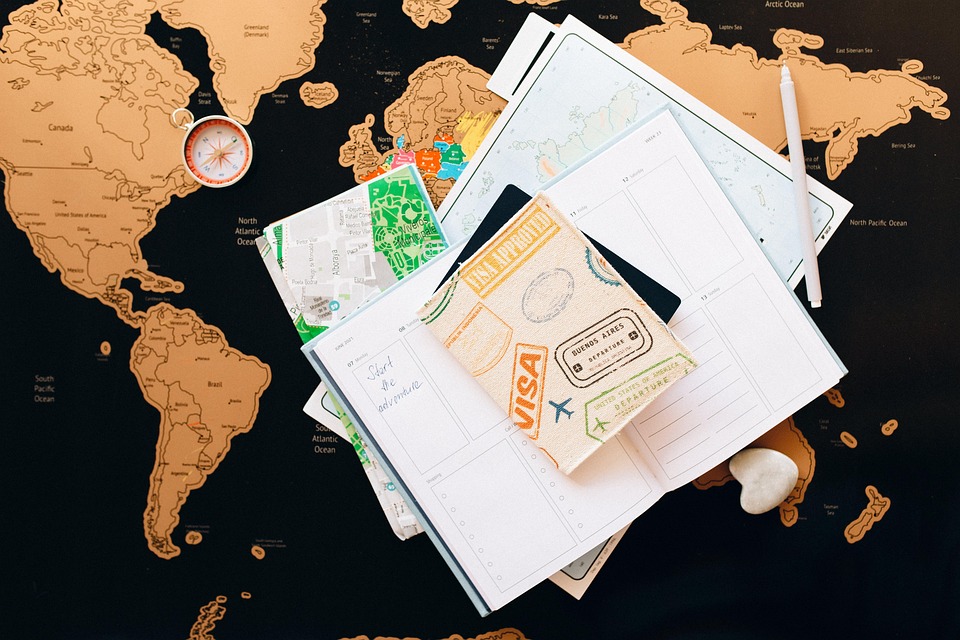
Traveling is not merely about moving from one place to another; it’s about creating lasting memories and experiences. A well-crafted travel itinerary can be the key to maximizing fun, minimizing stress, and ensuring that you embrace every moment of your adventure. In this article, we’ll explore how to design the perfect travel itinerary, allowing you to master your journey effectively.
Understanding Your Travel Goals
The first step in designing a perfect itinerary is to understand your travel goals. Do you seek relaxation, adventure, cultural immersion, or perhaps a mix of everything? Knowing what you want will guide your itinerary-making process. Here are some questions to consider:
- What is your primary reason for traveling?
- What activities are you most interested in?
- Are you traveling alone, with friends, or family?
- What is your budget for the trip?
- Do you have any mobility or time restrictions?
Researching Your Destination
Once you have your travel goals in place, it’s time to research your destination. This can include everything from cultural landmarks to local cuisine and hidden gems. Make use of travel blogs, forums, and guidebooks to gather insightful information. Here are some specifics to focus on:
- Popular Attractions: List the must-see sights that align with your interests.
- Local Cuisine: Research foods unique to the region that you must try.
- Transportation: Understand the best modes of transport available to navigate around your destination.
- Weather Conditions: Check the climate to pack accordingly and modify plans as necessary.
Creating a Day-by-Day Itinerary
Your itinerary should be structured yet flexible enough to allow for spontaneity. As you create your day-to-day plans, consider the following:
- Time Allocation: Allocate time realistically for each activity, including travel time. Avoid cramming too much into one day.
- Prioritize Activities: Mark your top attractions and allocate more time to these while remaining flexible with others.
- Breaks: Plan for regular breaks—particularly if you’re traveling with children or older adults. This will keep the energy levels high.
- local events: Check if special events or festivals coincide with your travel dates and adjust your plans accordingly.
Accommodation and Dining Arrangements
Choosing the right accommodation and dining options is crucial for enjoying your trip. Here are some tips:
- Location: Stay in an area that is centrally located to attractions you plan to visit.
- Reviews: Research hotels or hostels through trusted platforms to ensure quality and service.
- Diverse Dining: Research eateries that offer a taste of local flavor, and include a few top-rated restaurants in your itinerary.
- Reservations: For popular restaurants, consider booking ahead to avoid long waits.
Documentation and Essentials
Before setting off on your adventure, ensure all necessary documentation is in order:
- Passports and Visas: Check the validity of your passport and if your destination requires a visa.
- travel insurance: Invest in travel insurance to safeguard against unforeseen circumstances.
- Physical Copies: Print your itinerary, reservation confirmations, and any tickets you may need.
- Medical Needs: Ensure you have any required medications and know of local hospitals, pharmacies, or clinics.
Staying Flexible
While it’s essential to have a plan, the ultimate beauty of travel is its unpredictability. Stay open to revising your itinerary as unforeseen opportunities arise. Whether it’s a last-minute local tour or a recommendation from a fellow traveler, the ability to adapt will enhance your experience and create lasting memories.
Conclusion
Designing the perfect travel itinerary is an art that requires balanced planning and flexibility. By understanding your goals, researching your destination, and mapping out your day effectively, you can ensure that your journey is as enjoyable as possible. Remember, every traveler is different, and so should be your itinerary. Make it personal, allow room for spontaneity, and cherish the memories that will come from carefully crafting your adventure.
FAQs
1. How far in advance should I start planning my itinerary?
Ideally, you should start planning at least 1-3 months in advance. This gives you ample time to research, make bookings, and prepare.
2. What tools can I use to design my itinerary?
There are numerous apps and websites like Google Maps, TripIt, and Pinterest that can assist you in creating and organizing your itinerary.
3. Should I stick to my itinerary once it’s made?
While it’s good to have a plan, be flexible. If you discover something interesting along the way, don’t hesitate to modify your schedule.
4. How do I handle unexpected changes in my itinerary?
Stay positive and adaptable. Having a backup plan can help you manage unforeseen circumstances, and remember that flexibility can lead to great experiences!
5. Is it necessary to have travel insurance?
While it’s not mandatory, travel insurance is highly recommended as it can save you from financial losses and provide peace of mind during your journey.