
Backpacking is one of the most fulfilling activities for those looking to immerse themselves in nature. As a beginner, it can seem daunting, but with the right knowledge and preparation, you can embark on your journey through the great outdoors with confidence. This guide will walk you through the essentials of backpacking, from planning your trip to executing it successfully.
1. Setting Your Goals
Before you head out, it’s vital to define what you want from your backpacking experience. Are you looking to hike in national parks, explore remote wilderness, or just enjoy a weekend getaway? Establishing your goals will help guide your preparations.
2. Choosing Your Destination
Select a location that aligns with your skill level and experience. Many national parks and public lands have trails suitable for beginners. Consider factors such as:
- Distance of the trail
- Elevation gain
- Weather conditions
- Regulations and permits
3. Planning Your Route
Once you have your destination, plan your route. Utilize maps and hiking apps to familiarize yourself with the trail and any points of interest. Make sure to note:
- Trail conditions and difficulty
- Camping options and water sources
- Emergency exit points
4. Packing Your Gear
The right gear can make a significant difference in your backpacking experience. Here’s a list of essentials:
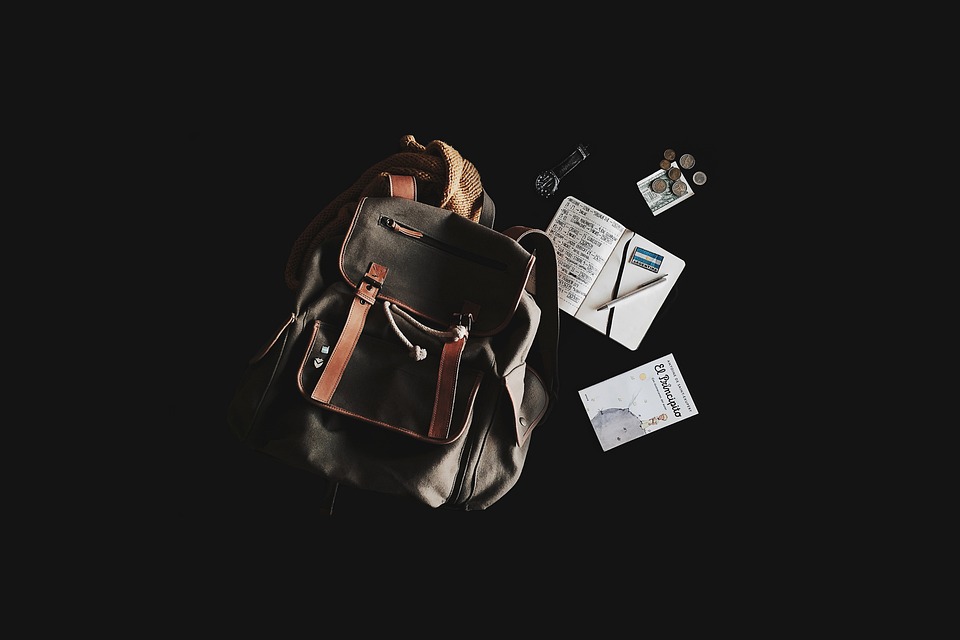
- Backpack: Choose a comfortable, lightweight backpack with adequate capacity (30-50 liters for shorter trips).
- Tent: Bring a lightweight tent that can fit your group size, or consider a hammock for comfort.
- Sleeping Bag: Select one suitable for the expected temperatures.
- Cooking Gear: A portable stove, lightweight cookware, and food supplies are crucial for meal prep.
- Clothing: Dress in layers and choose moisture-wicking, breathable fabrics. Don’t forget a rain jacket!
- First Aid Kit: This is a must-have for any outdoor adventure.
5. Physical Preparation
Backpacking can be physically demanding, so it’s essential to be in good shape. Start training by doing shorter hikes to build stamina. Focus on:
- Cardiovascular exercises (jogging, cycling)
- Strength training (especially your legs and core)
- Longer hikes with a weighted backpack
6. Learning Basic Skills
Proficiency in some basic outdoor skills can enhance your backpacking experience. Consider learning:
- Map and compass navigation
- Setting up and taking down your tent
- Cooking hydrated meals
- Fire starting techniques
- Leave No Trace principles
7. Safety and Emergency Preparedness
While backpacking can be a delightful adventure, it’s crucial to be prepared for emergencies. Here are a few tips:
- Always inform someone of your itinerary before leaving.
- Carry a whistle and know basic first aid.
- Understand how to use your compass and read a map.
- Have a backup plan should things go wrong.
8. On the Trail
Once you hit the trail, remember to pace yourself. It’s easy to get caught up in the excitement, but a steady pace will save energy. Make sure to:
- Stay hydrated and nourish your body with high-energy snacks.
- Take regular breaks to rest and enjoy the views.
- Follow trail etiquette, giving way to others when necessary.
Conclusion
Embarking on your first backpacking trip can be a life-altering experience filled with adventure, learning, and personal growth. With the right mindset and careful planning, you can enjoy the myriad wonders of the great outdoors. Remember to respect nature, be prepared, and most importantly, have fun!
FAQs
1. What is the best season to go backpacking?
The best season varies by location but generally, late spring to early fall is ideal for pleasant weather and accessible trails.
2. How much weight should I carry in my backpack?
A common guideline is to carry no more than 20-25% of your body weight. It’s crucial to balance comfort with necessary gear.
3. Do I need to make reservations to camp in national parks?
Most national parks require reservations for camping. It’s a good idea to check specific park regulations ahead of time.
4. Is it safe to backpack alone?
While many people enjoy solo backpacking, it’s essential to be prepared and knowledgeable about safety. Always inform someone of your plans and stick to well-traveled trails.
5. What should I do in case of bad weather while hiking?
Monitor weather forecasts closely. If bad weather approaches, seek shelter, stay dry, and avoid risky areas like exposed ridges.